Pest library
Understanding the pests that threaten your home or business is the first step to effective control. Our comprehensive pest library offers detailed information on common pests in London, helping you identify, prevent, and treat infestations.

Rats
Rats are a significant problem in urban areas like London. They can spread diseases, contaminate food, and cause structural damage by gnawing through wires and pipes.
Signs of infestation:
- Droppings (dark, pellet-shaped, 1-2 cm long)
- Gnaw marks on wood, plastic, or wires
- Scratching noises in walls or lofts, especially at night
- Burrows in the garden or near foundations
- Sightings of live or dead rats
Health/property risks:
Rats can transmit diseases such as leptospirosis, salmonella, and hantavirus. They can also cause electrical fires by chewing through cables and compromise building structures.
Prevention tips:
Keep food stored in sealed containers, clean up crumbs and spills promptly, and ensure rubbish bins remain closed. Maintain tidy gardens and storage areas to reduce places where rats can hide.
Treatment options:
Professional baiting, trapping, and proofing services are essential for effective rat control.

Mice
Mice are smaller than rats but can be just as destructive and unhygienic. They reproduce quickly, leading to rapid infestations if not addressed promptly.
Signs of infestation:
- Small, dark droppings (rice-grain sized)
- Gnaw marks on furniture, food packaging, and wires
- Nesting materials (shredded paper, fabric)
- Scratching noises, often in lofts or under floorboards
- A strong, musky odour, especially in enclosed areas
Health/property risks:
Mice can spread salmonella and other pathogens. They can also damage property by gnawing through electrical wiring, posing fire risks, and contaminating food preparation areas.
Prevention tips:
Store food securely, avoid leaving pet food out overnight, and keep kitchens clean. Regularly check for signs of activity and reduce clutter in storage areas.
Treatment options:
Effective mouse control involves professional trapping, baiting, and proofing to prevent re-entry.
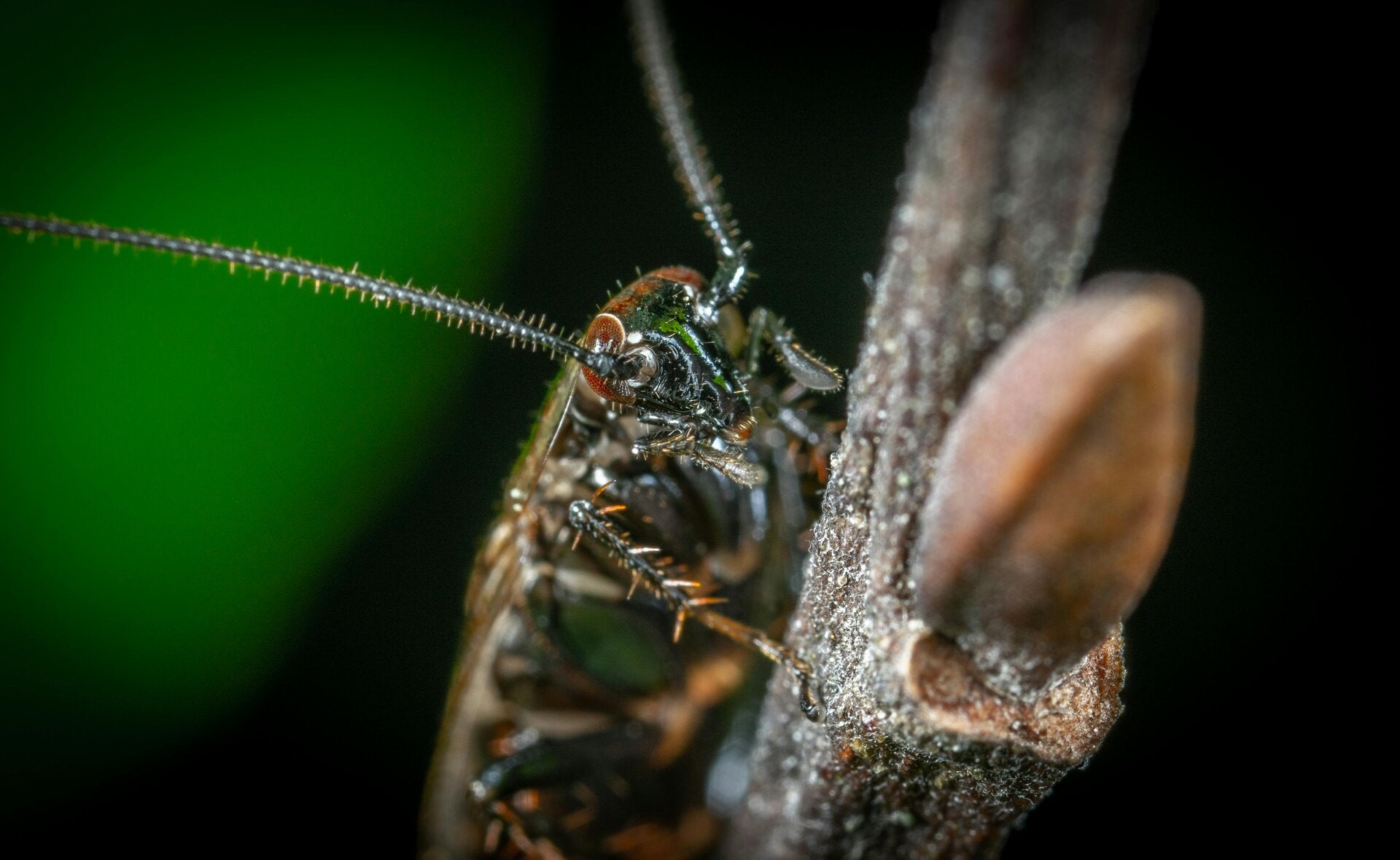
Cockroaches
Cockroaches are resilient pests that thrive in warm, damp environments. They are nocturnal and can contaminate food surfaces, spreading bacteria and triggering allergies.
Signs of infestation:
- Visible cockroaches, especially at night or in dark places
- Foul odour (musty or oily)
- Faeces (small, black smears or pellets)
- Egg cases (oothecae), usually dark brown and elongated
- Shed skins
Health/property risks:
Cockroaches carry bacteria like E. coli and salmonella, causing food poisoning. Their droppings and shed skins can also trigger asthma and allergies.
Prevention tips:
Maintain high standards of hygiene by cleaning food preparation areas, washing dishes promptly, and keeping bins closed. Reduce moisture by addressing leaks and keeping kitchens and bathrooms clean and dry.
Treatment options:
Professional gel baits, sprays, and insect growth regulators are highly effective.

Bed bugs
Bed bugs are tiny, nocturnal insects that feed on human blood. They are notoriously difficult to eliminate and can cause itchy bites and significant distress.
Signs of infestation:
- Itchy red bites, often in lines or clusters, usually on exposed skin
- Small blood spots on bedding (faecal matter from digested blood)
- Dark spots (bed bug excrement) on mattresses, bed frames, or walls
- Shed bed bug skins
- A sweet, musty odour in heavily infested rooms
Health/property risks:
While bed bugs are not known to transmit diseases, their bites can cause discomfort, skin irritation, and secondary infections from scratching. They can also cause psychological stress and sleep disturbances.
Prevention tips:
Inspect luggage after travel, regularly vacuum mattresses and carpets, and be cautious when bringing second-hand furniture into your home.
Treatment options:
Heat treatments, insecticide sprays, and comprehensive follow-up treatments are often required for complete eradication.

Ants
Ants are common household pests, especially during warmer months. While most are a nuisance, some species can contaminate food and cause structural damage.
Signs of infestation:
- Visible ants, often in trails, searching for food
- Ant nests (small piles of soil or dirt) in gardens or cracks in pavement
- Frass (wood shavings) if carpenter ants are present
Health/property risks:
Ants can contaminate food and food preparation surfaces. Pharaoh ants can carry pathogens, posing a health risk, especially in healthcare settings. Carpenter ants can damage wooden structures.
Prevention tips:
Seal food in airtight containers, wipe up spills immediately and trim vegetation away from your home.
Treatment options:
Ant baits, insecticides, and identifying and treating the ant nest are key to effective control.

Wasps
Wasps can be aggressive, especially when their nests are disturbed. Their stings are painful and can be dangerous for individuals with allergies.
Signs of infestation:
- Increased wasp activity around your property, especially near eaves, attics, or trees
- Visible wasp nests, which can be found in sheltered locations
- Persistent buzzing sounds
Health/property risks:
Wasp stings are painful and can cause severe allergic reactions (anaphylaxis) in some people. While they don't typically cause property damage, their presence can be a significant nuisance and safety hazard.
Prevention tips:
Keep bins covered, and avoid leaving sweet drinks or food exposed outdoors.
Treatment options:
Professional nest removal and insecticide treatments are the safest and most effective way to deal with wasp infestations.

Fleas
Fleas are tiny, jumping insects that feed on the blood of mammals and birds. They can cause itchy bites on pets and humans, leading to discomfort and skin irritation.
Signs of infestation:
- Pets scratching excessively
- Small, red, itchy bites, often around ankles or lower legs
- "Flea dirt" (flea faeces, appearing as black specks) on pet fur or bedding
- Visible fleas jumping on pets, carpets, or furniture
Health/property risks:
Flea bites cause intense itching and can lead to skin infections. In severe cases, pets can develop anaemia. Fleas can also transmit diseases like tapeworms to pets and, in rare cases, to humans.
Prevention tips:
Regularly treat pets with veterinary-approved flea control products, vacuum carpets and upholstery frequently, and wash pet bedding regularly.
Treatment options:
Integrated pest management including insecticides, growth regulators, and thorough cleaning is essential for complete flea eradication.
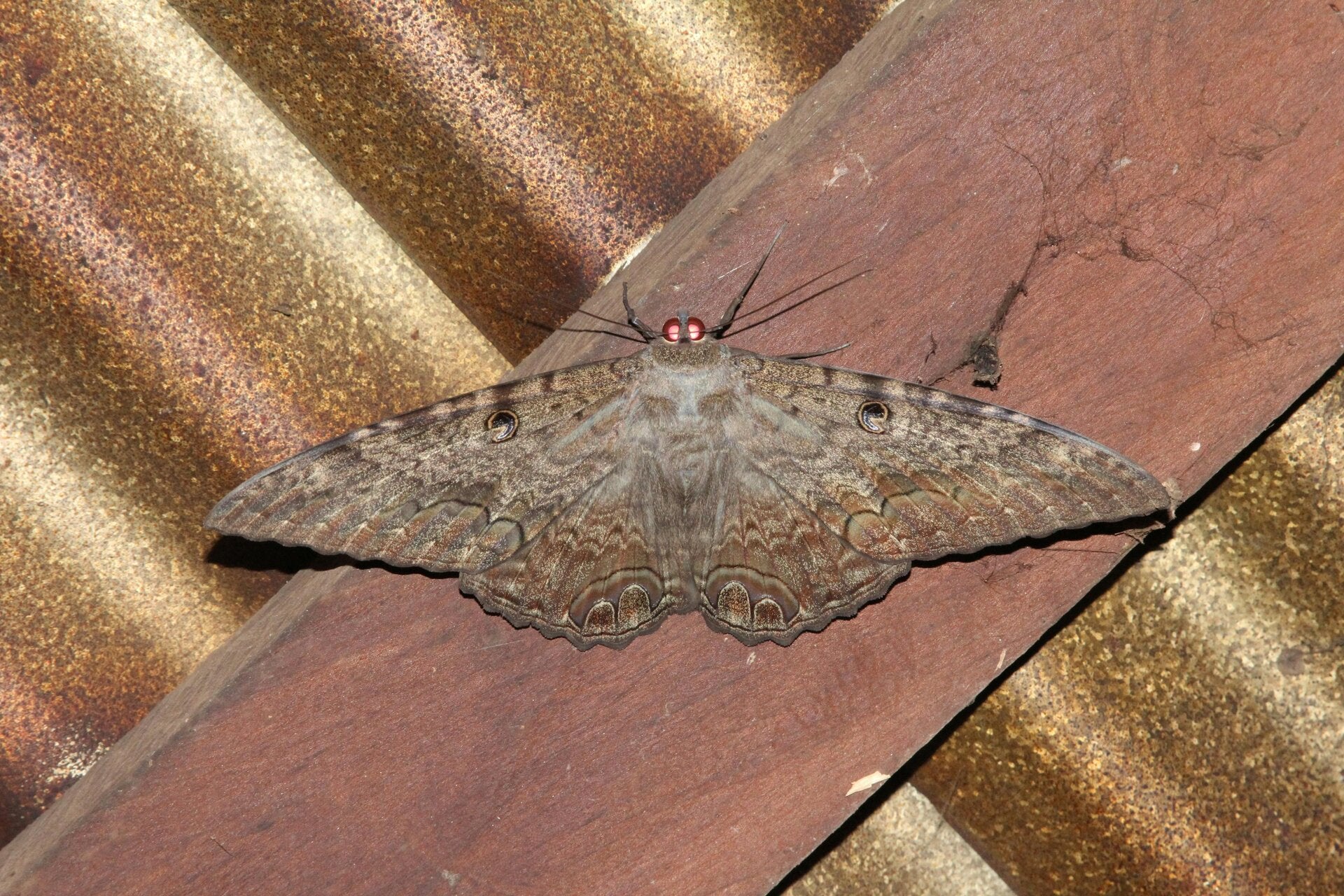
Moths
Moths, particularly clothes moths and pantry moths, can cause significant damage to fabrics, food items, and stored goods in your home.
Signs of infestation:
- Small, irregularly shaped holes in clothing, carpets, or upholstery
- Visible adult moths flying around, often in dark areas or kitchens
- Larvae (small, cream-coloured caterpillars) or silken tubes/casings on infested items
- Contaminated food items (for pantry moths) with webbing or larvae
Health/property risks:
Clothes moths primarily damage natural fibres like wool, silk, and fur, leading to costly destruction of garments and textiles. Pantry moths contaminate stored food products, making them unsuitable for consumption.
Prevention tips:
Store clothes in airtight containers, regularly clean and vacuum wardrobes, store food in sealed containers, and inspect new purchases for signs of moths.
Treatment options:
Thorough cleaning, insecticide sprays, pheromone traps, and professional fumigation may be necessary for severe infestations.
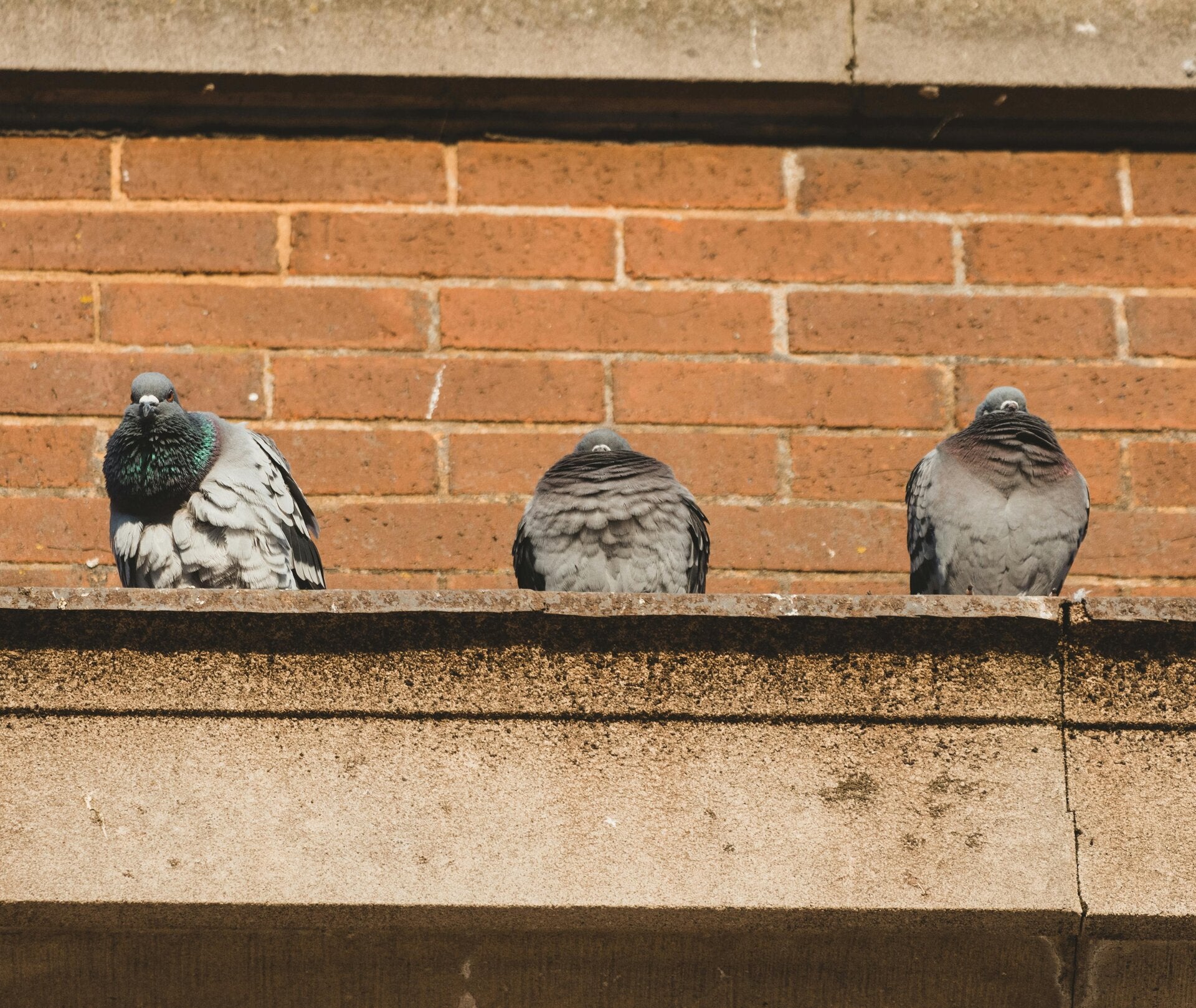
Pigeons
Pigeons are common urban birds that can cause a range of problems for properties, including mess, noise, and potential health risks.
Signs of infestation:
- Accumulation of droppings on ledges, windowsills, and roofs
- Nesting materials (twigs, debris) on buildings
- Constant cooing noises
- Damage to solar panels or air conditioning units
Health/property risks:
Pigeon droppings are corrosive and can damage building materials. They can also carry diseases like histoplasmosis and salmonella, as well as parasites such as ticks and fleas. Their nests can block gutters and drainage systems.
Prevention tips:
Install bird spikes, netting, or wire systems on ledges and roosting areas. Eliminate food sources and reduce access to sheltered nesting spots.
Treatment options:
Professional bird proofing, netting, and humane deterrents are effective solutions for pigeon control.
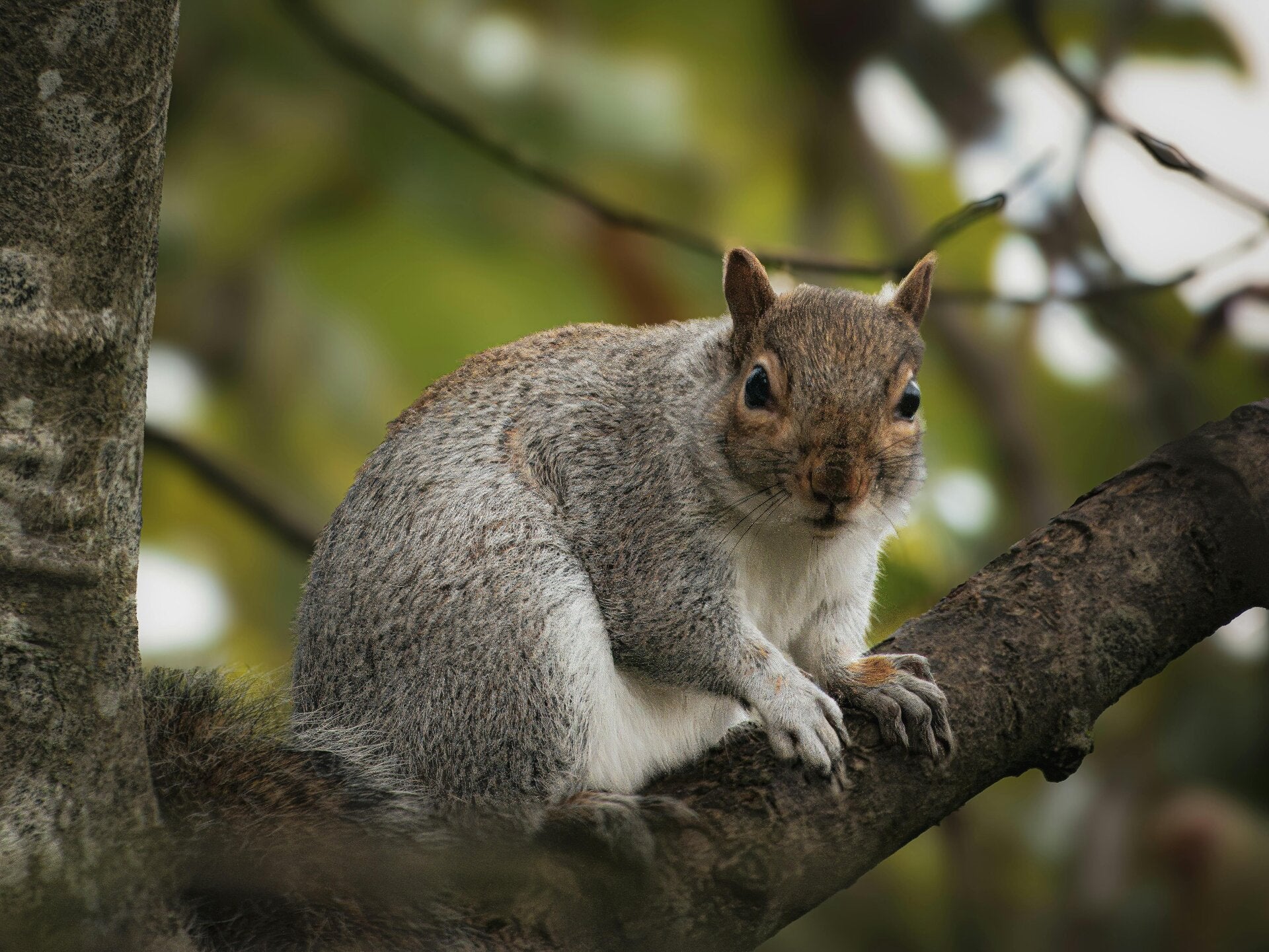
Squirrels
Grey squirrels are a common sight in London gardens but can become a nuisance when they enter homes or damage property.
Signs of infestation:
- Scratching and scampering noises in lofts or wall cavities, especially during the day
- Gnaw marks on wooden beams, wires, and pipes
- Damaged insulation
- Visible droppings (similar to rat droppings but often more scattered)
Health/property risks:
Squirrels can cause extensive damage to electrical wiring, insulation, and wooden structures in lofts, posing fire hazards. They can also contaminate stored items with urine and faeces.
Prevention tips:
Keep trees and vegetation well maintained to reduce easy access to properties. Avoid leaving bird feed, nuts, or other food sources readily available, and keep lofts, storage spaces, and outbuildings clean and free from materials that could be used for nesting. Professional inspections can help identify signs of squirrel activity before significant damage occurs.
Treatment options:
Humane trapping and exclusion methods are used to remove squirrels and prevent their return. Proofing works are crucial.